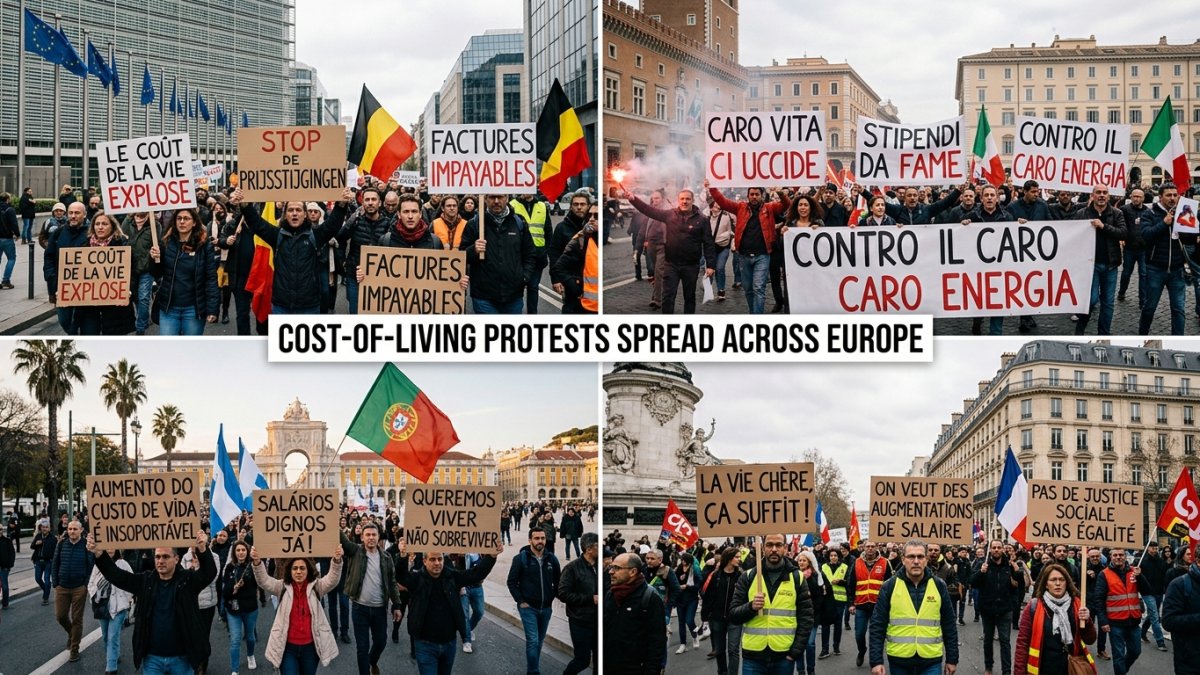
Demonstrations over rising living costs, housing and public services took place across France, Belgium, Italy and Portugal on Saturday, October 17. The protests were separate and had no single organising body, but shared concerns about prices, wages and the future of public services.
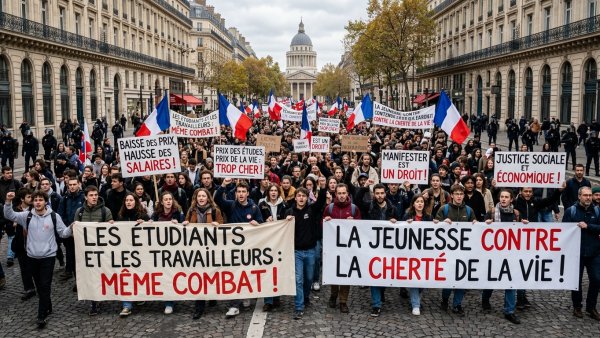
France saw the largest mobilisation. The Interior Ministry estimated that about 550,000 people joined demonstrations nationwide, while organisers put attendance higher. The rallies followed weeks of student protests over overcrowded classrooms, poor school facilities and teacher shortages. Clashes, fires and looting occurred in several cities. Authorities said about 1,200 people were arrested and 150 police officers injured.
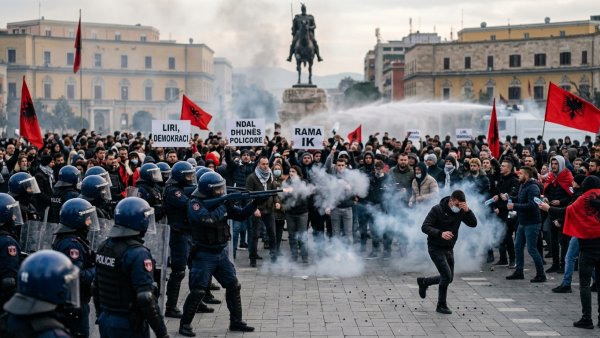
In Brussels, police used tear gas and water cannon during a protest after officers said demonstrators threw objects and started fires. Portugal saw tens of thousands march in Lisbon over wages, housing costs and living conditions. House prices and rents have risen sharply in recent years, intensifying calls for more affordable homes.
In Milan and Bologna, demonstrations against war and rising costs were largely peaceful before some participants clashed with police. In Milan, officers used tear gas and water cannon; reports said two police officers were injured and about 50 demonstrators detained.
The events were not a unified European movement, but analysts said the repeated grievances could keep pressure on governments. The rallies also came as several countries face budget debates and elections, placing household costs and public-service funding high on political agendas.