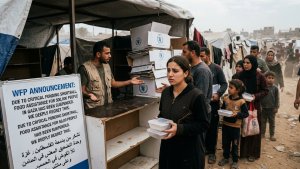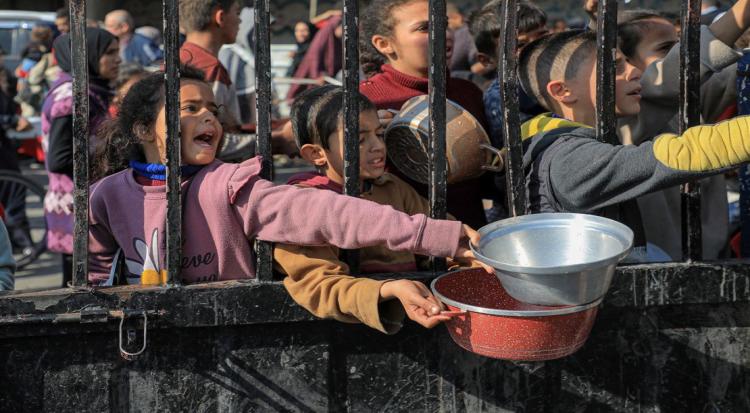
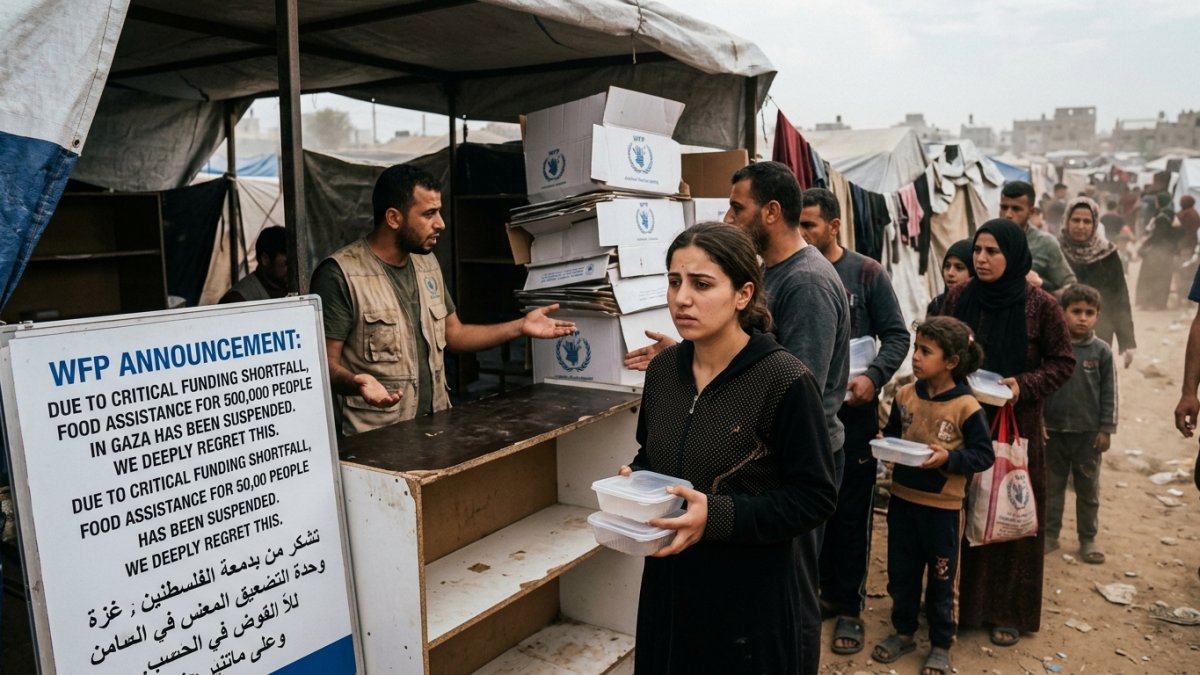
The World Food Programme says a funding shortfall will force it to reduce food assistance in Gaza, leaving about 500,000 fewer people receiving monthly support.
The UN agency said its Palestine operation received less than half the funding it had received in previous years. It said it urgently needs an additional $450 million to maintain critical operations in the occupied Palestinian territory over the next six months.
Under the revised plan, the number of people receiving monthly assistance in Gaza will fall from 1.6 million to 1.1 million. Families who continue receiving food parcels will get one parcel instead of two, and the flour bags provided will be smaller.
The programme will also reduce the number of hot meals distributed each day, from 250,000 to 150,000. People in hard-to-reach areas, including locations near the “yellow line” marking Israeli military control, are expected to receive a hot meal every other day rather than daily.
The funding gap comes as many households continue to struggle to obtain enough food. The WFP said an estimated 1.4 million people—about 67 percent of Gaza’s population—are facing acute food insecurity at crisis levels or worse. That figure is lower than the estimate at the end of 2025, but the agency described the improvement as modest and fragile.
The cuts are also affecting assistance in the occupied West Bank. The number of people receiving support there was halved in September, from 400,000 to 200,000, the agency said.
The WFP’s announcement underscores how financing constraints can quickly affect the scale of humanitarian aid. Without additional funding, the agency says its ability to provide food support across the occupied Palestinian territory will remain under pressure.