Gaza Ceasefire Slows Violence but Fails to Stop Humanitarian Destruction
The ceasefire in Gaza has reduced the intensity of Israeli bombardment, but Palestinians continue to face killings, displacement, severe injuries and a deepening humanitarian crisis, according to a Middle East Eye analysis.
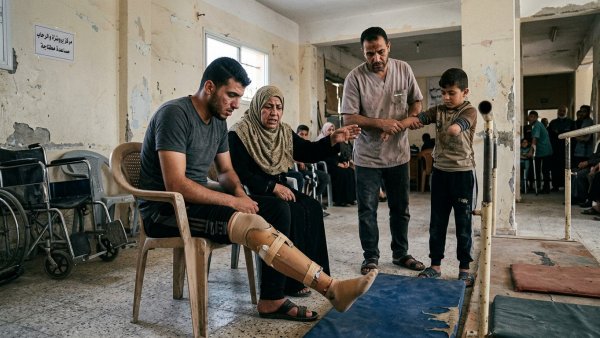
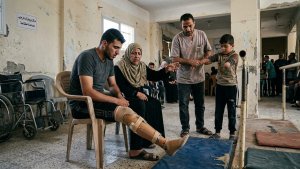
The World Health Organization estimates that more than 172,000 Palestinians have been wounded since October 2023, with around 43,000 suffering life-changing injuries, including amputations, spinal cord damage, major burns and traumatic brain injuries. About 10,000 of those affected are children.
Healthcare and rehabilitation remain severely limited. Rehabilitation equipment has faced major restrictions, while Gaza’s facilities operate with shortages of staff, supplies and equipment. More than 5,000 amputations have been recorded, but only a fraction of evaluated amputees have received permanent prosthetics.
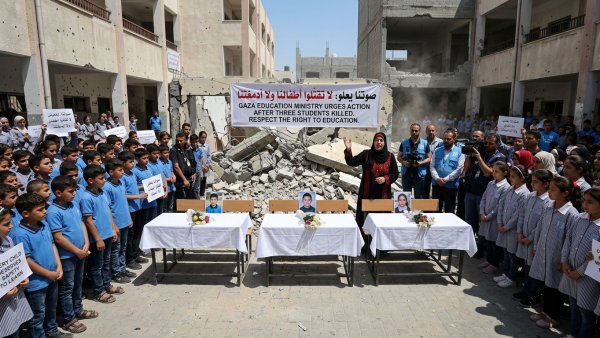
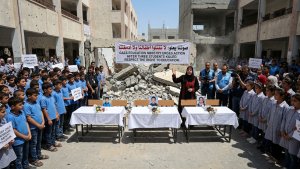
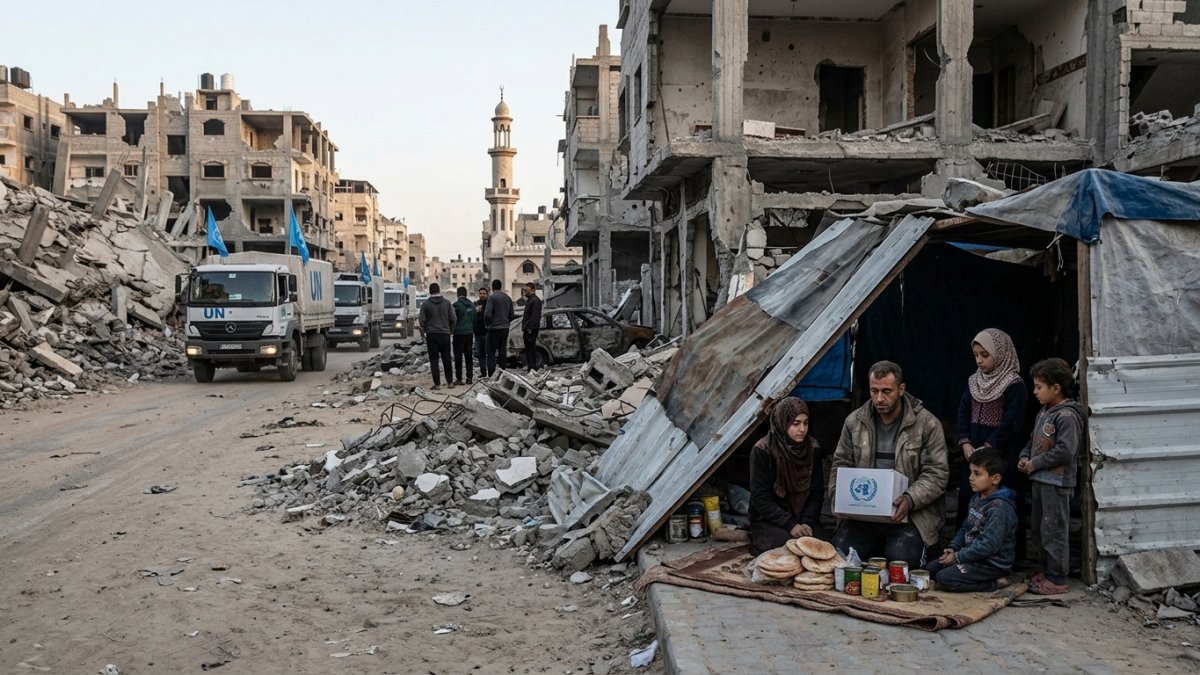
The destruction of homes and infrastructure has made recovery even harder. Around 82 percent of structures in Gaza have reportedly been damaged or destroyed, while more than 1.2 million Palestinians have lost their homes.
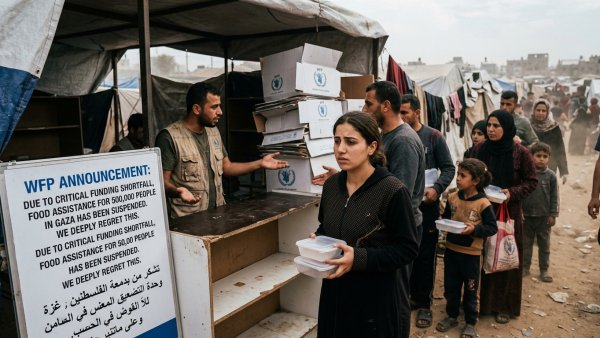
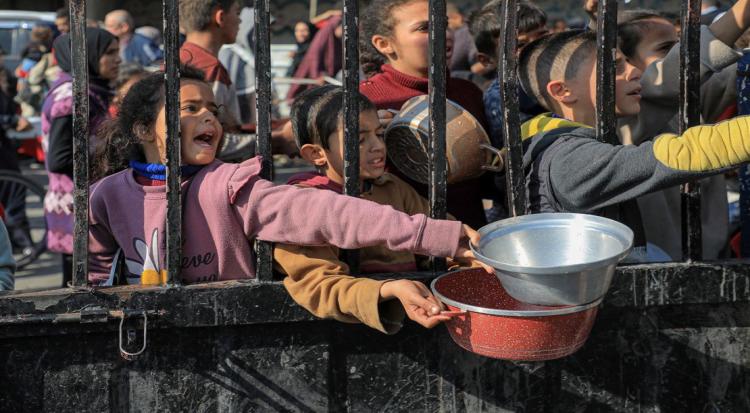
Despite the October 2025 ceasefire, attacks, displacement and restrictions on humanitarian supplies have continued. More than 1,300 Palestinians have reportedly been killed since the ceasefire, while thousands more have been injured.
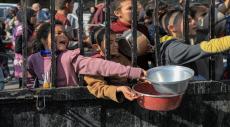
The analysis argues that the impact of the conflict extends beyond immediate deaths. Palestinians with severe injuries are often forced to recover in tents, damaged buildings and overcrowded shelters without adequate medical care, rehabilitation or essential supplies.
It concludes that a genuine ceasefire should be measured not only by a reduction in bombardment, but by whether the conditions causing prolonged suffering, displacement and preventable deaths have also ended.