
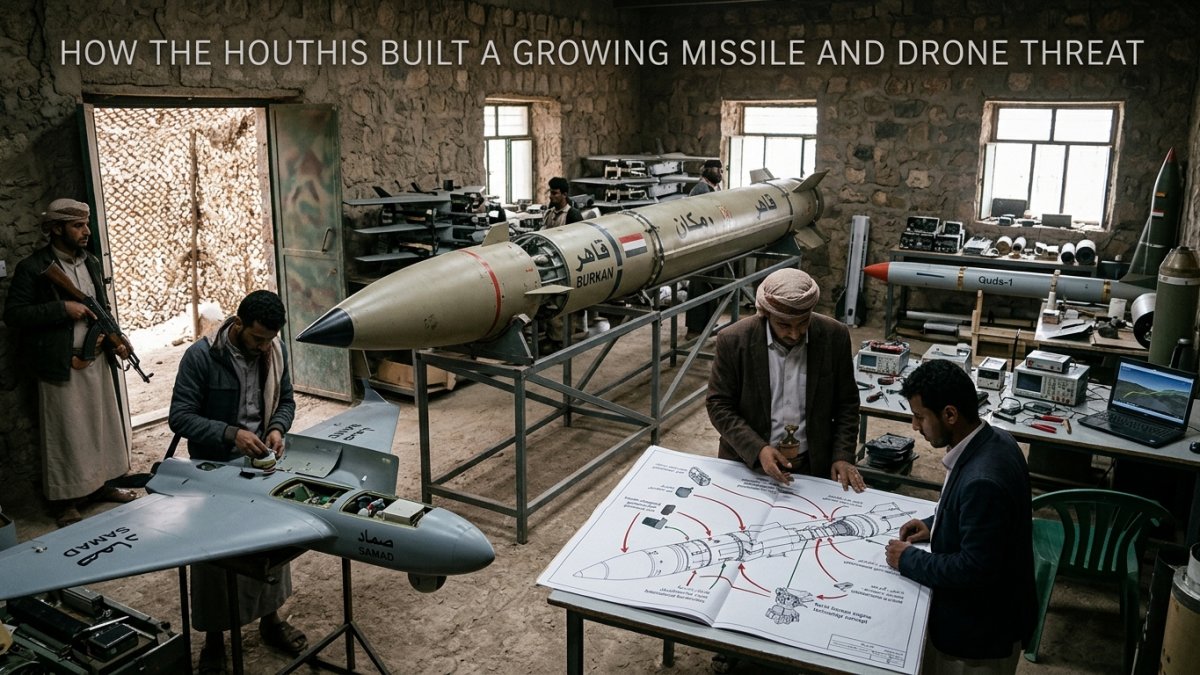
The Houthis’ recent attacks on Saudi Arabia have drawn attention to how the Yemeni group developed a missile and drone campaign capable of reaching high-profile sites. Analysts point to years of battlefield experience, local assembly and access to imported components as factors behind the group’s growing capabilities.
Experts say Iran and Hezbollah provided technical assistance in earlier years, while Houthi specialists have since built more of the group’s weapons domestically. Components and supply networks can be difficult to track, and commercial parts may be adapted for military use. Iran denies supplying weapons in violation of international restrictions.
The group has claimed attacks on major Saudi targets, including Riyadh’s airport and facilities linked to the state oil company. The ability to threaten airports, energy infrastructure and shipping routes gives the Houthis leverage beyond Yemen’s borders.
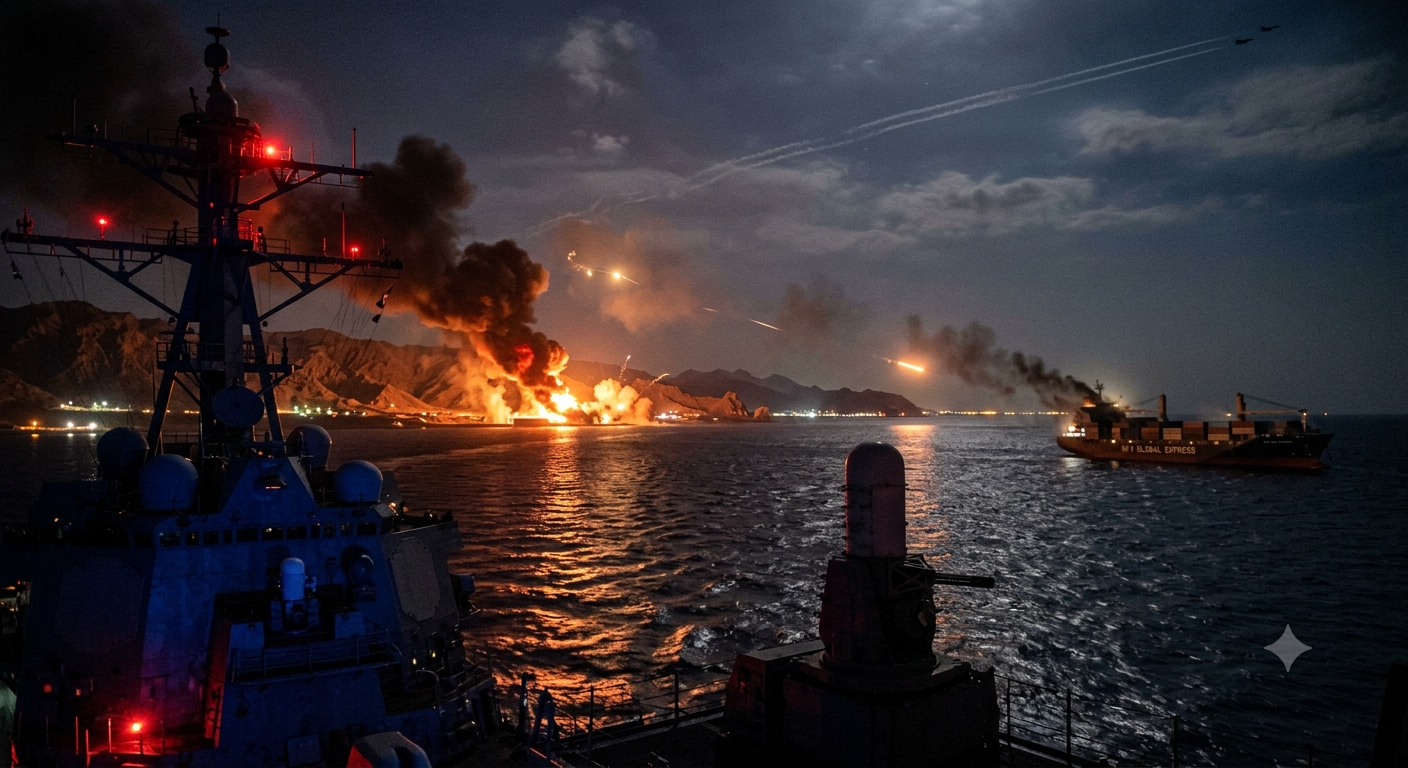
Saudi-led forces say they have intercepted many incoming weapons and targeted launch sites and storage facilities. Yet the attacks demonstrate how armed groups can combine local knowledge, relatively low-cost drones and missiles, and persistent operational pressure. Analysts caution that the exact origin of individual weapons and the degree of outside assistance can vary from one attack to another.