
Tunisia’s Old Grievances Return Five Years After Saied’s Power Grab
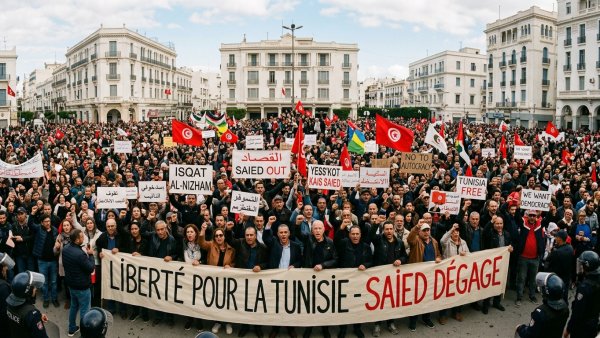
Five years after President Kais Saied suspended parliament and began ruling by decree, Tunisia is once again facing protests over many of the same problems that fueled the 2011 revolution.
Rising prices, unemployment, water shortages, electricity cuts and medicine shortages are putting increasing pressure on households. This summer, extreme heat pushed electricity demand to record levels, while power cuts disrupted water-pumping stations in several regions.
Saied’s supporters initially welcomed his 2021 power grab, arguing that Tunisia’s political system had failed to tackle corruption and economic stagnation. He later dissolved parliament and introduced a new constitution that significantly strengthened presidential powers.
However, critics say the promised economic transformation has not materialised. At the same time, opposition politicians, journalists, lawyers and activists have faced arrests and prosecutions, while civil society and political freedoms have come under growing pressure.
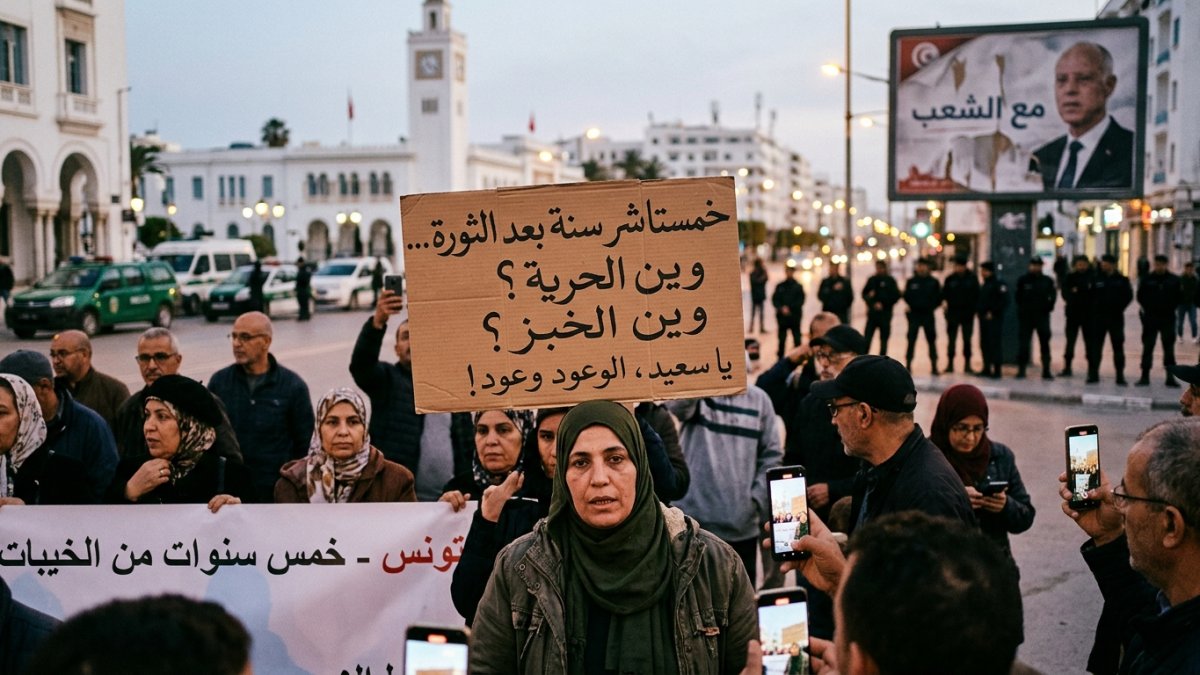
Recent demonstrations have brought together both political activists and ordinary citizens frustrated by deteriorating living conditions. Protesters are again raising the slogan of the 2011 revolution: “employment, freedom and national dignity.”
The current unrest does not necessarily signal another revolution, and many Tunisians remain critical of the political parties that governed after Ben Ali. But five years after Saied’s power grab, the persistence of economic hardship alongside shrinking political space is reviving questions about whether his more centralised system has delivered the effective government he promised.