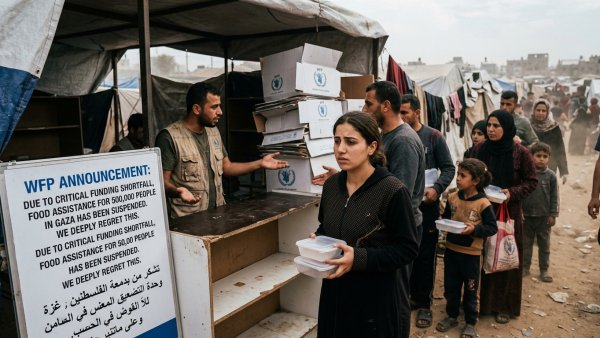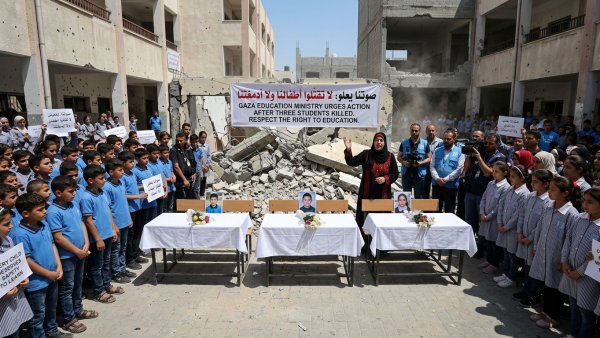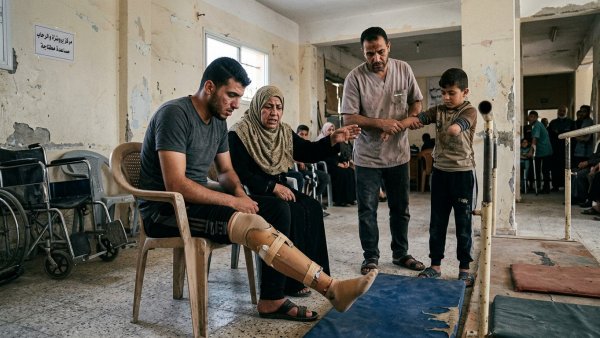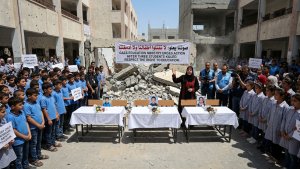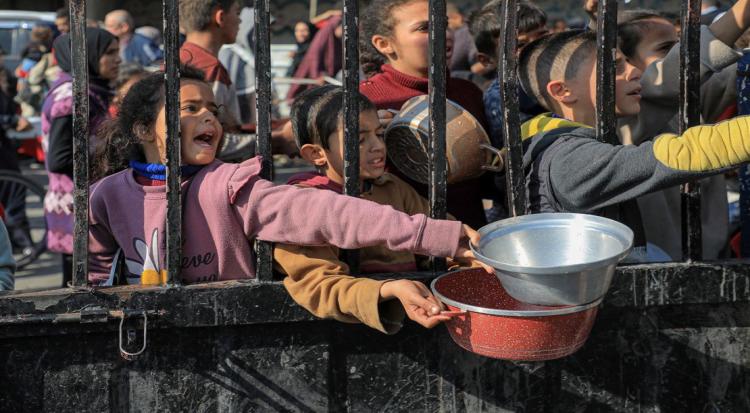
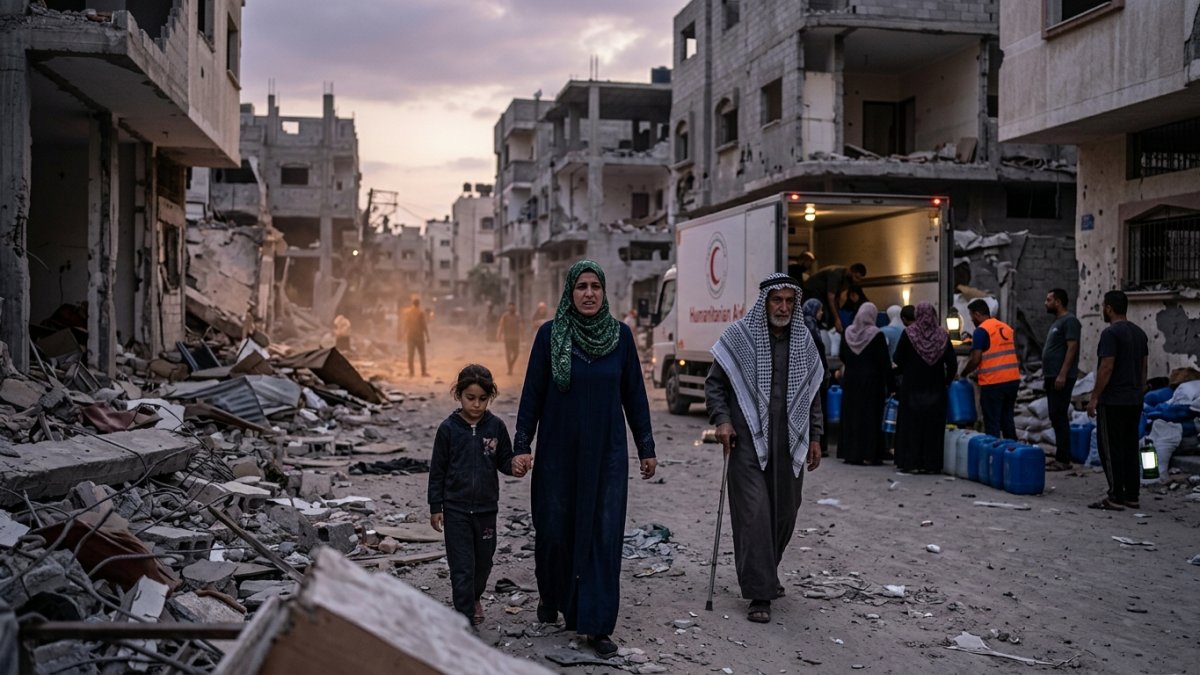
A year after the Gaza ceasefire was announced on October 10, 2025, many Palestinians remain displaced and lack reliable access to medical care, shelter and essential supplies. The truce reduced the intensity of fighting, but it has not brought sustained safety or a return to normal life for families across the enclave.
Deaths continue after the announcement
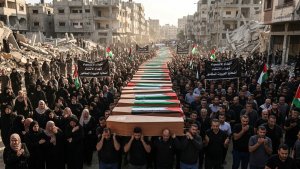
Gaza’s Health Ministry says at least 1,498 Palestinians have been killed and 5,306 injured since the ceasefire began. The ministry’s cumulative toll from the war that started in October 2023 has reached 74,389 deaths. These figures are reported by local health authorities and are not all independently verified case by case.
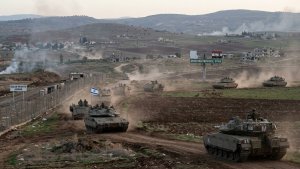
The UN Human Rights Office has separately verified 1,076 conflict-related deaths between the ceasefire announcement and the end of July 2026, including 268 children. It has also documented 331 Palestinians killed near the so-called Yellow Line during that period.
Hospitals and basic services under strain
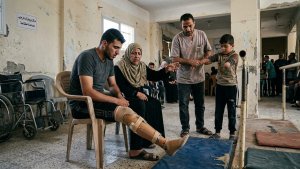
The World Health Organization said on October 2 that no hospital in Gaza was fully functional. Shortages of medicines, equipment and fuel continue to limit care, while delays in approving medical shipments impede deliveries.
Families also face damaged water and sanitation networks and a severe shortage of suitable shelter. Humanitarian agencies warn that restrictions on supplies and repair materials make recovery difficult as colder, wetter weather approaches.
The continuing deaths, displacement and service shortages show why the ceasefire’s anniversary has not yet translated into a secure or adequate daily life for Gaza’s residents.