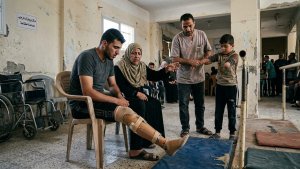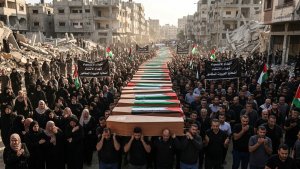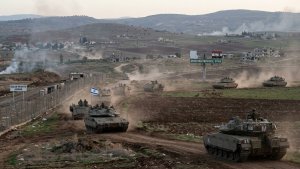

A new opinion analysis argues that statements by powerful officials should be treated as claims to be tested, rather than as established facts. It focuses on how news organizations report Israeli military statements about alleged deaths and injuries in Gaza, Lebanon, the occupied West Bank and Israel.
The article cites a BBC Verify review that identified 254 incidents in which the Israeli military had said it was investigating allegations, but for which the review could not find a public outcome. It also reports that outcomes for 28 of 300 cases examined appeared on the military’s website. BBC Verify said it repeatedly sought information from the military and received details on only two cases, both still under review.
Those figures do not establish that every allegation was accurate, nor do they show that every inquiry should end in prosecution. They do, however, point to a transparency problem: when an investigation’s conclusion is not made public, journalists and readers have limited ability to assess how the allegation was examined or whether responsibility was established.
The author contends that reporting an official statement without independently checking its evidence can blur the line between what a government says and what has been verified. The piece also discusses the pressure journalists may face when they question Israeli claims, arguing that scrutiny should not be mistaken for bias.
The broader issue is one of standards. Governments and armed forces routinely provide information during conflict, but their statements carry interests and should be assessed alongside available evidence, witness accounts and independent investigations. The article’s central argument is that attribution is only the beginning of responsible reporting: readers also need context, verification and, where investigations are announced, accessible information about their findings.